Author: Jeremy Telfer

on
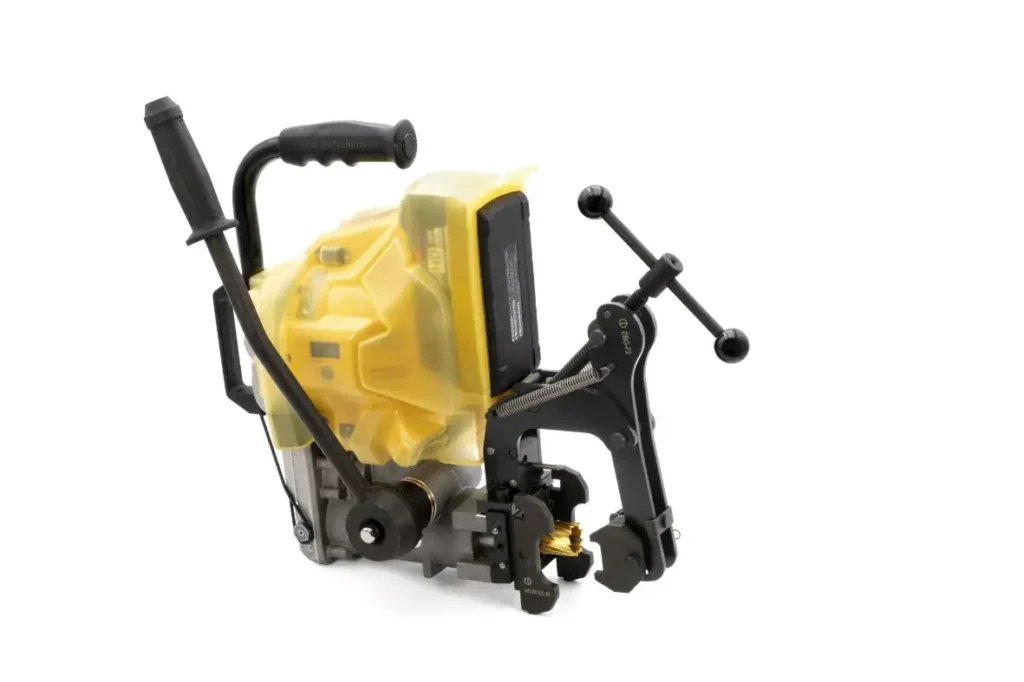
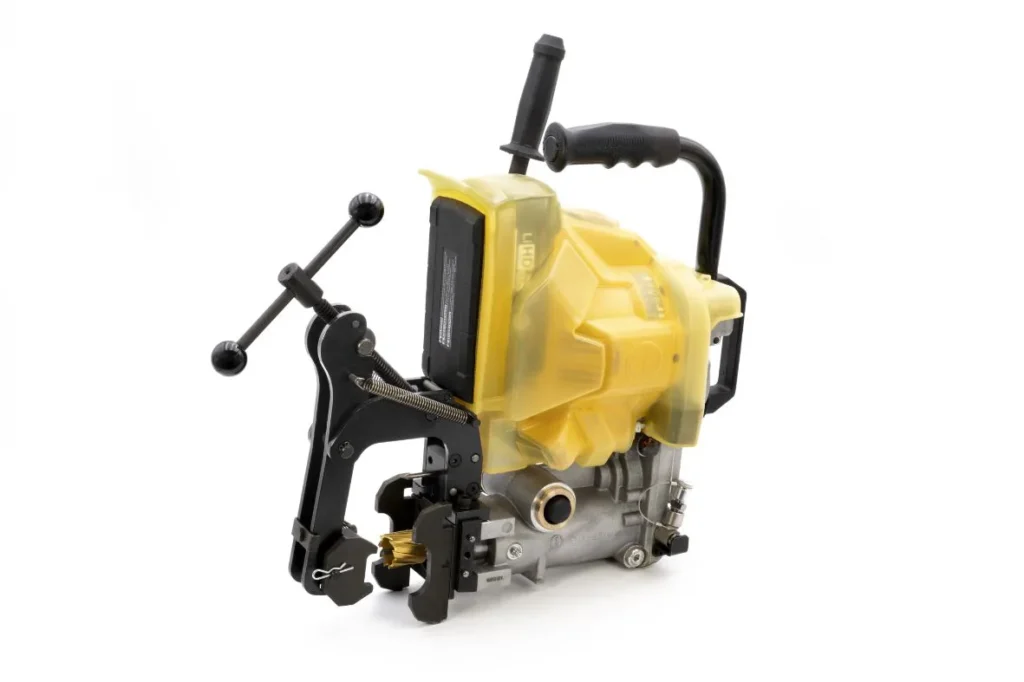
Cembre battery rail drill clamped to railway track

Choosing a Battery Rail Drill in Australia: Cembre LD-16B-RPT

Choosing a battery rail drill in Australia means matching the machine to your rail profile, required hole sizes and working conditions. You also need access to the right cutters, accessories and ongoing support.

The Cembre LD-16B-RPT battery rail drill is an option for railway contractors and maintenance teams looking to move to cordless rail drilling. Engineering Supplies is an authorised Australian Cembre distributor, supplying rail drilling equipment and supporting customers nationally.

Whether you are purchasing for a single crew or reviewing equipment across your maintenance fleet, we can help you assess the drill and the accessories your application requires.

View the Cembre LD-16B-RPT Battery Rail Drill and enquire about pricing.


Why consider a battery-powered rail drill?

Rail drilling equipment needs to work within the practical constraints of the job: access, available working time, noise and the conditions around the worksite.

Cembre’s LD-16B-RP range uses a 36V brushless motor. Battery operation eliminates petrol-engine exhaust at the point of use, while Cembre identifies reduced noise and vibration as key benefits. These characteristics make the range particularly relevant to tunnel work, underground rail environments and night maintenance.

An electronic drilling assistant uses coloured LEDs to help the operator adjust feed pressure during drilling. The motor and battery assembly has an IP44M protection rating, with use in rain subject to the manufacturer’s operating instructions. See Cembre’s product information.

For buyers comparing battery and petrol equipment, consider the full shift: the holes required, opportunities to recharge and the batteries needed to support the work.

Cembre battery rail drill with rail clamping attachment
Explore the Cembre LD-16B-RPT battery rail drill, available through Engineering Supplies Australia.

Cembre LD-16B-RPT drilling capacity

The LD-16B-RPT is the Australian/New Zealand charger variant covered by Cembre’s LD-16B-RP operating manual.

SpecificationPublished capability
Motor36V brushless electric motor
Drilling diameter7–33 mm
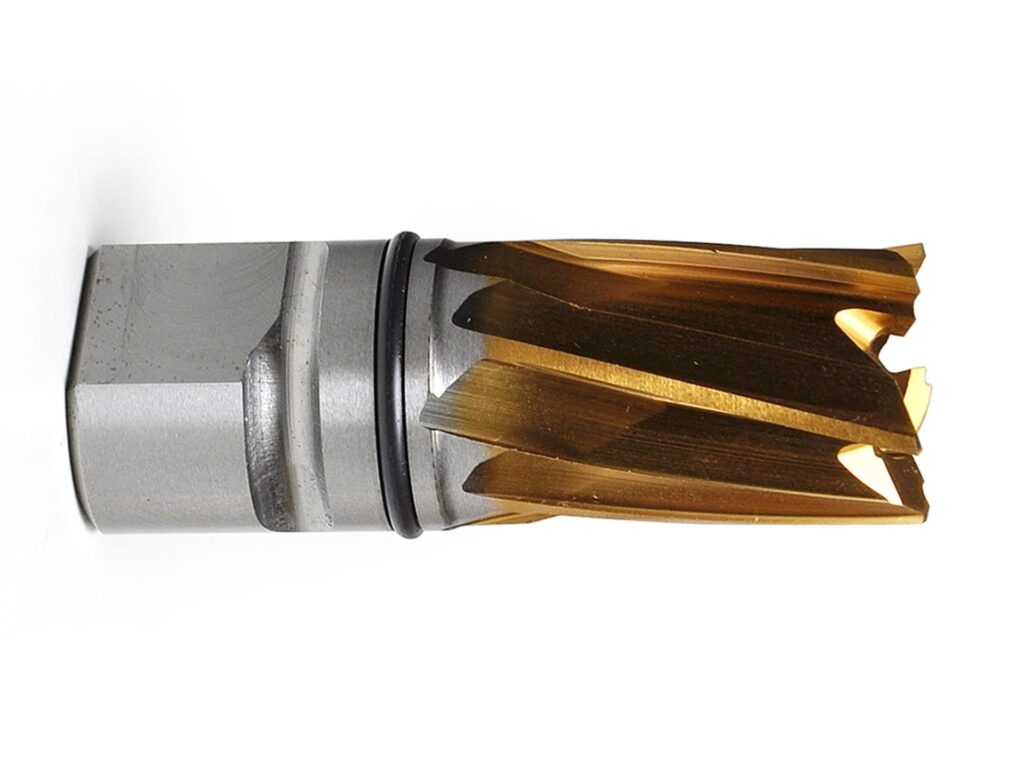
Spiral drill bits7–13 mm with the Cembre PE range
Broach cutters13–33 mm with the Cembre CY range
Maximum drilling thickness50 mm
No-load spindle speed260 rpm

These specifications are listed in Cembre’s operating manual. Confirm the cutter, rail attachment and positioning equipment for your application when requesting a quotation.

How many holes can it drill on one charge?

Cembre publishes performance figures of 40 holes at 19 mm diameter per charge and drilling times of less than 60 seconds for the LD-16B-RP range. These are manufacturer figures, rather than a guaranteed result for every application. Actual performance depends on the drilling conditions, cutter, rail material and battery condition. Cembre performance information.

When discussing your requirements, tell us the hole diameter and approximate number of holes your crew expects to drill per shift. This helps establish a practical equipment and battery setup.

Match the drill with the right cutters and accessories

Before ordering a rail drill, confirm the complete drilling setup. The machine, cutter and positioning equipment need to suit the work you intend to undertake.

Useful information to have ready includes:

  • The rail profile and grade, if known.

  • Required hole diameters and positions.

  • The number of holes expected per shift.

  • Existing cutters, templates or accessories you want to use.

  • Any project or rail-network equipment requirements.

Engineering Supplies supplies Cembre CY broach cutters and rail drill accessories. Our team can assist with product selection and compatibility enquiries so your quotation covers the equipment required for the job.

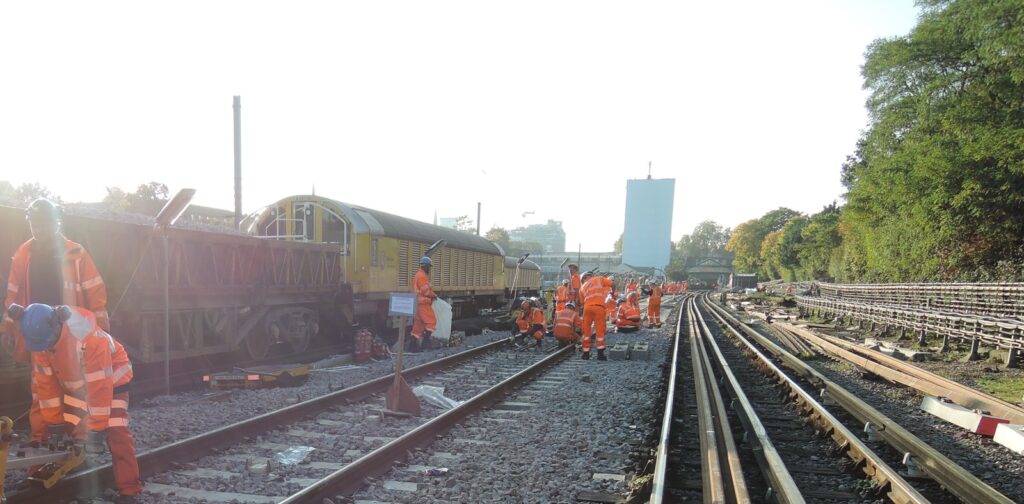
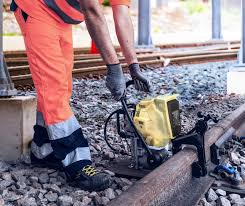
Railway maintenance crew working along railway tracks

Battery rail drill enquiries across Australia’s east coast

Planning rail construction or maintenance in Queensland or New South Wales?

Engineering Supplies supplies Cembre equipment nationally from our Welshpool warehouse in Western Australia. For projects in Brisbane, Sydney, Newcastle or regional locations, provide your delivery postcode and required-on-site date when enquiring. We can discuss current availability, freight arrangements and your equipment requirements.

As an authorised Australian Cembre distributor, we also assist with technical information, spare parts, servicing and after-sales support.

Request a quote for the Cembre LD-16B-RPT

Ready to purchase a battery rail drill, or assessing whether the LD-16B-RPT suits your next project?

Contact Engineering Supplies with your drilling requirements, quantity and delivery location. Ask us about current pricing, availability, kit inclusions and suitable cutters and accessories.

Enquire about the Cembre LD-16B-RPT Battery Rail Drill.

Call (08) 9258 8444 or email sales@engsup.com.au.

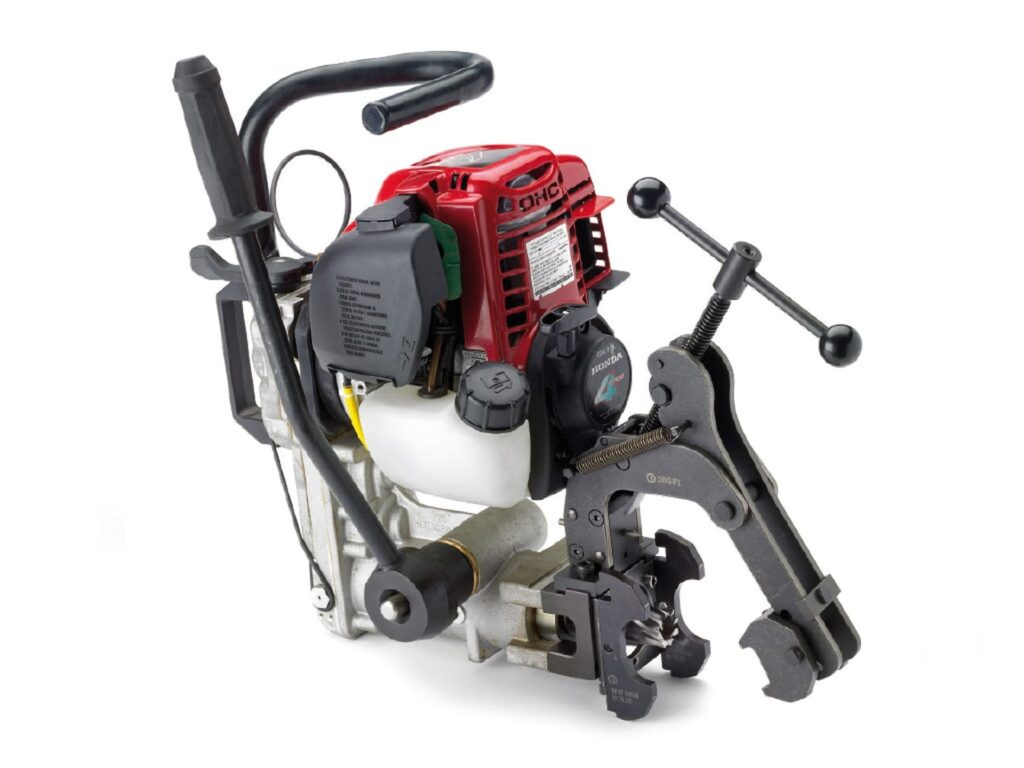
Side view of Cembre battery rail drill and clamping assembly

on

Rail Electrical Connections in Queensland: Cembre AR60D & AR260D

Rail electrical connections in Queensland will remain an important part of signalling, traction return, bonding and grounding work as investment continues across the state’s passenger rail network.

Major projects including Cross River Rail, Logan and Gold Coast Faster Rail and The Wave are expanding and upgrading South East Queensland’s rail infrastructure ahead of Brisbane 2032 and beyond. At the same time, ongoing maintenance, renewals and signalling works continue across the wider Queensland network.

For applications requiring a permanent electrical connection to the rail, the Cembre AR rail connection system provides a purpose-designed method of connecting electrical conductors directly to the rail web.

Engineering Supplies supplies genuine Cembre AR contacts together with rail drilling equipment, hydraulic installation tooling, gauges, plungers and accessories for railway contractors and maintenance organisations throughout Australia.

Cembre Rail Electrical Connection System

The Cembre AR system creates an electrical contact within a correctly prepared hole in the rail web.

Rather than relying solely on clamping pressure against the surface of the rail, the installation process hydraulically extrudes a copper bush into the prepared rail hole. As a result, the bush conforms closely to the hole and establishes the electrical and mechanical connection to the rail.

The conductor connection can then attach to the installed contact using the appropriate cable lug and fastening arrangement.

Importantly, the electrical cable connection can subsequently be removed or replaced without removing the rail contact itself.

Cembre developed the AR system for railway applications including:

  • Traction return bonding
  • Rail continuity bonding
  • Ground and earth bonding
  • Substation connections
  • Electrical drainage
  • Signal track circuit continuity
  • Signal track circuit connections

Therefore, the system can support several different railway electrical applications depending on the approved network and project design.

AR60D Single Rail Electrical Contact

The Cembre AR60D is a single electrical contact designed for installation into a 19 mm diameter rail web hole.

Cembre identifies the AR60D for 60E1 rail, formerly UIC60, and the installed contact accepts one electrical connector.

The assembly uses a tin-plated copper bush together with stainless steel fastening components. During installation, the hydraulic tooling extrudes the copper bush into the rail hole to establish the contact with the rail.

Once installed, a cable lug can connect to the AR60D using the M12 fastening arrangement.

Typical applications include signalling circuits, traction return connections, continuity bonding and grounding systems where the approved design requires a single conductor connection to the rail.

AR260D Double Rail Electrical Contact

The Cembre AR260D operates on the same general extrusion principle but provides a double electrical connection.

Like the AR60D, the system installs into a 19 mm rail web hole. However, the AR260D can accommodate two electrical connectors.

Consequently, the double-contact arrangement can suit applications requiring connections on both sides of the rail web or two conductors at the same connection point.

This arrangement can also reduce the need to create two separate rail holes where the approved electrical design requires two connections.

The correct contact should always be selected according to the rail profile, electrical design, conductor arrangement and applicable railway authority or project requirements.

Rail Electrical Connections in Queensland

Several major rail programs are currently reshaping South East Queensland’s passenger network.

Cross River Rail includes a new 10.2 km rail line through Brisbane, including 5.9 km of twin tunnels beneath the Brisbane River and CBD and four new underground stations.

Meanwhile, Logan and Gold Coast Faster Rail will upgrade approximately 20 km of the existing corridor between Kuraby and Beenleigh. The project includes four tracks through the corridor, station upgrades, level-crossing removals and rail-system works.

In addition, The Wave – Stages 1 and 2 will extend heavy passenger rail from Beerwah through Caloundra to Birtinya. Stage 1 includes approximately 19 km of new dual-track railway between Beerwah and Caloundra, while Stage 2 continues the line approximately 7 km to Birtinya.

These projects sit alongside ongoing signalling upgrades, track renewals, maintenance programs and other rail infrastructure works throughout Queensland.

As a result, specialist railway electrical connection, drilling and installation equipment will continue to support contractors working across both new construction and existing network assets.

However, the use of any particular rail contact or installation method must follow the relevant network, engineering and project specifications. Engineering Supplies can assist with the Cembre product and tooling requirements once the specified connection system has been identified.

Preparing the Rail for Electrical Connections

Correct preparation of the rail hole is fundamental to the AR installation process.

Before installing an AR60D or AR260D, crews must produce the specified hole through the rail web using appropriate railway drilling equipment. Furthermore, the completed hole must meet the dimensional requirements for the selected contact.

Cembre manufactures dedicated rail drills, broach cutters, spiral drill bits and positioning equipment for this work.

For mobile rail drilling, the Cembre LD-16B-RPT battery rail drill provides a cordless drilling system capable of producing accurately positioned holes in the rail web.

Once drilling is complete, the appropriate Cembre gauge allows the installer to check the rail hole before installing the electrical contact.

Therefore, the drilling equipment, cutter, positioning system and installation tooling should be considered together rather than treating the contact as an isolated component.

Installing Cembre AR Contacts

Cembre supplies both manual and battery-powered hydraulic equipment for installing AR electrical contacts.

HTEP Manual Installation Tool

The Cembre HTEP provides a manual hydraulic installation system for compatible AR contacts.

The system uses the RHTEP installation head together with the appropriate calibrated plunger, rail-hole gauge and installation accessories.

Because it operates manually, the HTEP provides a self-contained option where crews do not want to rely on rechargeable batteries or an external electrical supply.

In addition, the appropriate AR260 installation washer allows the system to install compatible double contacts.

B1300TEP Battery Installation Tool

Alternatively, the Cembre B1300TEP provides a battery-powered hydraulic installation system.

The kit combines an 18V electro-hydraulic pump with the RHTEP installation head, hydraulic hose and the tooling required for compatible Cembre AR contacts.

Furthermore, Cembre’s SMARTOOL technology allows users to access operating data recorded by the tool.

As a result, the B1300TEP provides a practical option for crews carrying out repeated rail electrical contact installations where battery-powered hydraulic operation is preferred.

Rail Electrical Connection Applications

Depending on the approved railway design, Cembre AR contacts can support applications including:

  • Signal track circuits
  • Traction return systems
  • Rail bonding
  • Rail continuity connections
  • Earthing and grounding systems
  • Substation connections
  • Electrical drainage
  • Railway infrastructure maintenance

For example, a signalling application may require an electrical connection to the rail for a track circuit. Meanwhile, traction applications may require rail connections for return-current or bonding systems.

Therefore, selecting the correct contact involves more than simply matching a part number to a rail profile.

The installer or project engineer should also consider the number of conductors, conductor material, cable lug, rail-hole diameter, connection arrangement and specified installation method.

Single vs Double Rail Electrical Connections

The primary difference between the AR60D and AR260D is the number of cable connections accommodated by the rail contact.

The AR60D provides one electrical connection, while the AR260D provides two.

Consequently, the AR60D suits applications requiring a single conductor at the connection point. The AR260D, by comparison, provides additional flexibility where two conductors need to connect through the same prepared rail hole.

Both systems rely on correctly prepared rail holes and the appropriate Cembre extrusion tooling.

For this reason, contractors should confirm the required connection arrangement before selecting the contact, drilling equipment and installation kit.

Supporting Rail Electrical Connections in Queensland

Engineering Supplies has supplied Australian industry since 1952 and provides specialist Cembre railway equipment, tooling and consumables to rail contractors and maintenance organisations.

For rail electrical connections in Queensland, our Cembre range includes:

  • AR60D single rail contacts
  • AR260D double rail contacts
  • Additional Cembre AR contact configurations
  • HTEP manual installation tooling
  • B1300TEP battery installation tooling
  • RHTEP hydraulic installation heads
  • Battery rail drills
  • Petrol rail drills
  • Rail broach cutters
  • Spiral rail drill bits
  • Rail-hole gauges
  • Calibrated plungers
  • Installation washers and accessories
  • Spare parts
  • Tool servicing and repair

In addition, Engineering Supplies can assist with selecting compatible drilling and installation equipment once the required rail contact and rail profile are known.

Equipment can be dispatched to Brisbane, the Gold Coast, Sunshine Coast, Townsville, Mackay, Rockhampton and regional Queensland locations.

Cembre Rail Drilling Equipment

Rail-hole preparation and AR contact installation form two parts of the same process.

For contractors considering battery-powered drilling equipment, read our guide to the Cembre LD-16B-RPT battery rail drill for Queensland rail projects.

The LD-16B-RPT provides a portable 36V battery-powered solution for rail web drilling and works with Cembre’s range of dedicated railway broach cutters, drill bits and positioning equipment.

Engineering Supplies can supply the complete drilling and AR installation package, allowing contractors to source compatible equipment, consumables and accessories from one specialist supplier.

Enquire About Cembre AR Rail Connections

Engineering Supplies can assist contractors with rail electrical connections in Queensland, including Cembre AR contacts, rail drilling equipment and hydraulic installation tooling.

For pricing, availability or technical assistance with Cembre AR60D, AR260D, HTEP, B1300TEP and associated rail equipment, contact Engineering Supplies.

Call (08) 9258 8444 or email sales@engsup.com.au.

Our team can assist with identifying the appropriate Cembre equipment and accessories for the specified rail profile, electrical connection and installation method.

on

Cembre LD-16B-RPT Battery Rail Drill for Queensland Rail Projects

The Cembre LD-16B-RPT battery rail drill provides a portable, cordless solution for rail web drilling across railway construction and maintenance projects. With major investment underway across Queensland’s passenger rail network ahead of Brisbane 2032, efficient and reliable rail drilling equipment will remain an important part of track construction, signalling, bonding and maintenance work.

Queensland’s current rail program includes Cross River Rail, Logan and Gold Coast Faster Rail and The Wave on the Sunshine Coast, alongside broader station, signalling and network upgrades.

Engineering Supplies supplies genuine Cembre railway tooling, rail drills, cutters, bits and accessories to rail contractors and maintenance teams throughout Australia, with freight and technical support available for Queensland projects.

Queensland Rail Investment Ahead of Brisbane 2032

South East Queensland is progressing through a significant period of rail construction and network expansion.

Cross River Rail will introduce a new 10.2 km rail line through Brisbane, including 5.9 km of twin tunnels and four new underground stations. Once operational, the new inner-city rail path will form a key part of the wider South East Queensland network.

Meanwhile, the Logan and Gold Coast Faster Rail project will increase the Kuraby to Beenleigh corridor from two tracks to four across approximately 20 km. The project also includes station upgrades, level-crossing removals and rail-system works designed to increase network capacity between Brisbane and the Gold Coast.

On the Sunshine Coast, The Wave – Stages 1 and 2 will deliver new heavy passenger rail from Beerwah to Birtinya. Stage 1 includes approximately 19 km of new dual-track railway between Beerwah and Caloundra.

Together, these projects are creating substantial demand for specialist railway construction, maintenance and track equipment across Queensland.

Why Battery Rail Drilling Suits Possession Work

Rail possessions place a premium on efficient setup and predictable work processes.

Unlike petrol-powered drilling equipment, the LD-16B-RPT uses a 36V battery-powered brushless motor. Therefore, crews do not need to manage fuel or engine exhaust emissions at the drilling location.

The cordless design also avoids generators, extension leads and hydraulic power packs.

Cembre specifically designed the LD-16B-RP platform for rail drilling in demanding working environments. Furthermore, its reduced vibration and noise make battery operation particularly useful for tunnel, underground and night work.

The drill also carries an IP44 protection rating, allowing operation in rain and high-humidity environments within the manufacturer’s operating requirements.

LD-16B-RPT Drilling Performance

The Cembre battery rail drill combines portability with substantial drilling capacity.

Key specifications include:

  • 36V brushless electric motor
  • Rail drilling range from 7mm to 33mm
  • 7–13mm drilling with Cembre PE series spiral bits
  • 13–33mm drilling with Cembre CY series broach cutters
  • Maximum rail thickness of 50mm
  • IP44 motor and battery protection
  • Operating temperature range from -20°C to +50°C
  • Integrated drilling-assistance system
  • LED work lights
  • Rechargeable lithium-ion battery system

Cembre states that the drill can complete a hole in less than 60 seconds under appropriate conditions and can drill up to 40 x 19mm holes from one battery charge.

As a result, the system provides a practical option for maintenance crews and construction teams that need repeatable drilling without relying on petrol-powered equipment.


 Rail Web Drilling and Electrical Connections

Rail drilling supports a wide range of track applications.

Depending on the rail system and approved installation method, drilled rail-web holes may form part of:

  • Rail joint installations
  • Electrical bonding systems
  • Traction return connections
  • Signalling connections
  • Grounding and earthing systems
  • Rail web electrical connections
  • Track maintenance and renewal work

Cembre also manufactures a complete range of CY broach cutters, PE spiral drill bits, positioning templates, clamping equipment and coolant accessories for its LD rail drilling systems.

For electrical rail-web connection applications, Engineering Supplies also supplies the Cembre AR connection system, including products such as the AR60D and AR260D together with the associated drilling and installation tooling.

Supporting Queensland Rail Contractors

Engineering Supplies has supplied Australian industry for more than 70 years and supports railway contractors with specialist Cembre equipment, tooling and consumables.

For Queensland projects, we can assist with:

  • Cembre battery rail drills
  • CY rail broach cutters
  • PE rail drill bits
  • Rail positioning templates
  • Drill clamping equipment
  • AR rail web connection systems
  • Hydraulic and battery installation tooling
  • Spare parts and accessories
  • Technical product selection
  • Tool servicing and repair

Equipment can be shipped to Brisbane, the Gold Coast, Sunshine Coast, Townsville, Mackay, Rockhampton and regional Queensland locations.

Enquire About the Cembre LD-16B-RPT

For pricing, availability or technical assistance with the Cembre LD-16B-RPT, contact Engineering Supplies.

Call (08) 9258 8444 or email sales@engsup.com.au.

Our team can assist with selecting the rail drill, cutters, bits, positioning equipment and accessories required for your rail profile and application.

on

Outdoor Cable Ties: Choosing the Right Type for Outdoor Use

Outdoor cable ties need to withstand conditions that standard indoor products may not encounter, including prolonged sunlight, heat and changing weather. Choosing the correct material and size can improve cable management reliability in electrical, industrial and infrastructure installations.

Why UV Resistance Matters

Standard nylon cable ties are widely used because they are lightweight, economical and easy to install. However, prolonged exposure to ultraviolet radiation can affect nylon over time.

For outdoor applications, UV-resistant black nylon ties provide a more suitable option. Manufacturers such as KSS add carbon black to the nylon material to improve resistance to ultraviolet exposure.

Importantly, colour alone should not determine whether a cable tie is suitable for outdoor use. A black cable tie should still be specifically manufactured and identified as UV resistant if it will experience prolonged sunlight.

KSS UV-Resistant Nylon Range

KSS Weatherproof Cable Ties are manufactured from black Nylon 66 and incorporate carbon black to improve UV resistance for outdoor applications.

The range is available in numerous lengths, widths and tensile strengths, allowing installers to select a tie according to both the cable bundle size and the mechanical requirements of the installation.

Depending on the size selected, applications can range from small cable and conductor bundles through to larger industrial cable management requirements.

Typical applications include:

  • Outdoor electrical installations
  • Cable and conductor management
  • Switchboards and electrical equipment
  • Solar and renewable energy installations
  • Telecommunications equipment
  • Industrial machinery
  • Infrastructure projects
  • General outdoor cable bundling

When selecting a tie, consider more than just its length. Width, maximum bundle diameter and minimum loop tensile strength can also affect whether a particular size is appropriate.

Weatherproof vs Standard Nylon Cable Ties

For protected indoor applications, a standard natural nylon cable tie may provide a practical and economical solution.

However, when the installation will experience significant exposure to sunlight, a purpose-made UV-resistant product is generally the better choice.

The distinction is particularly important where cable ties form part of a permanent installation rather than temporary cable management.

Therefore, before selecting a product, consider:

  • Whether the installation is indoors or outdoors
  • Exposure to direct sunlight
  • Required cable bundle diameter
  • Required tensile strength
  • Ambient operating conditions
  • Exposure to chemicals or contaminants
  • Expected installation life
  • Applicable project or equipment specifications

These factors can help determine whether standard nylon, UV-resistant nylon or another material is required.

When Should You Use Stainless Steel Cable Ties?

UV-resistant nylon is suitable for many outdoor electrical applications. Nevertheless, some installations require greater mechanical strength, temperature resistance or environmental durability.

In these situations, stainless steel cable ties may provide a more appropriate solution.

Stainless steel options are commonly considered for demanding industrial, infrastructure and exposed environments where the installation conditions exceed the capabilities of conventional nylon products.

Coated stainless steel ties are also available where additional separation between the metal tie and the cable or equipment surface is desirable.

The correct choice ultimately depends on the environment and the requirements of the installation.

Choosing the Correct Cable Tie Size

Cable tie length determines the maximum bundle that the tie can accommodate, while width generally influences its mechanical strength.

For example, the KSS UV-resistant range includes compact 100 mm ties as well as substantially longer versions for larger cable bundles. Wider heavy-duty options are also available where greater tensile strength is required.

Before ordering, check:

Bundle diameter – Measure the completed cable bundle rather than estimating from individual cable diameters.

Tie length – Allow sufficient length for installation and engagement with the locking head.

Tie width and tensile strength – Larger or heavier cable bundles may require a wider, stronger tie.

Environment – Confirm UV, temperature, chemical and other environmental requirements.

Installation specification – For engineered projects, always follow the applicable project, equipment or manufacturer requirements.

Cable Ties for Electrical and Industrial Applications

Engineering Supplies stocks a broad range of cable management products for electrical, industrial and infrastructure applications.

Our Cable Ties range includes:

  • UV-resistant black nylon cable ties
  • Natural nylon cable ties
  • Stainless steel cable ties
  • Coated stainless steel cable ties
  • Releasable cable ties
  • Mounting cable ties
  • Marker cable ties
  • Coloured cable ties
  • Heavy-duty options

This allows installers to choose a product based on the actual installation environment rather than using the same type of cable tie for every application.

Shop KSS Weatherproof Cable Ties

For outdoor applications requiring a UV-resistant nylon solution, view our KSS Weatherproof Cable Ties (Black) range.

Multiple lengths, widths and pack quantities are available to suit different cable management requirements.

Alternatively, browse our complete Cable Ties range for nylon, stainless steel and specialist options.

Engineering Supplies can also assist with selecting cable ties and cable management accessories for electrical, industrial, infrastructure and project applications throughout Australia.