
Battery vs Petrol Rail Drills: Which Should You Choose?
Choosing between a battery and petrol rail drill means looking at the work your crew needs to complete, the conditions on site and how you will keep the machine operating throughout the shift.
Both power sources can suit professional railway construction and maintenance. The right choice depends on your drilling requirements, access to charging or fuel, existing equipment and ongoing support.
Engineering Supplies is a national Cembre distributor, supplying rail drilling machines, cutters, accessories and spare parts throughout Australia. Two options in our range are the Cembre LD-16B-RPT Battery Rail Drill and the Cembre LD-42P Petrol Rail Drill.
Here is what to consider before choosing your next machine.
Battery vs petrol rail drills at a glance
| Consideration | Battery rail drill | Petrol rail drill |
|---|---|---|
| Power supply | Rechargeable battery | Petrol engine |
| Exhaust at the drill | No engine exhaust at the point of use | Engine exhaust must be considered |
| Shift planning | Charged batteries, spare packs and charging arrangements | Fuel availability and suitable refuelling arrangements |
| Maintenance | Battery, charger and drilling-machine maintenance | Engine servicing and drilling-machine maintenance |
| Existing equipment | Check cutter, template and battery compatibility | Check cutter, template and existing fleet compatibility |
Drilling capacity, operating weight and cutting speed depend on the particular machine and setup. Check those specifications separately when comparing equipment.
When should you choose a battery rail drill?
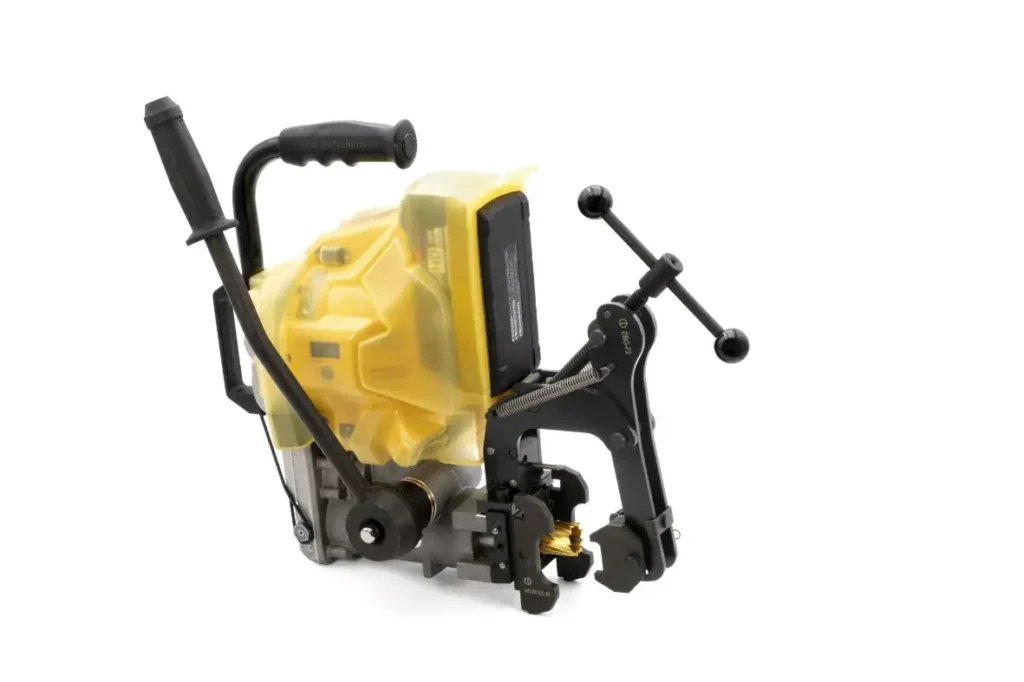
A battery rail drill is worth considering when you want to remove petrol handling and engine exhaust from the drilling operation.
For crews assessing new equipment, the Cembre LD-16B-RPT combines a 36V brushless motor with an electronic drilling assistant. Coloured LEDs help the operator adjust the force applied to the feed lever.
Cembre also identifies low noise and vibration as benefits of the LD-16B-RP range. These characteristics make it relevant to work where exhaust and operator exposure are important considerations, including tunnel and night maintenance. Equipment selection must still meet the requirements of the particular site. See Cembre’s product information.
Battery power is particularly practical when your crew can start with enough charged batteries for the planned workload and has a reliable charging routine between shifts.
For a closer look at the machine, read our guide to choosing a battery rail drill in Australia.
When does a petrol rail drill still make sense?
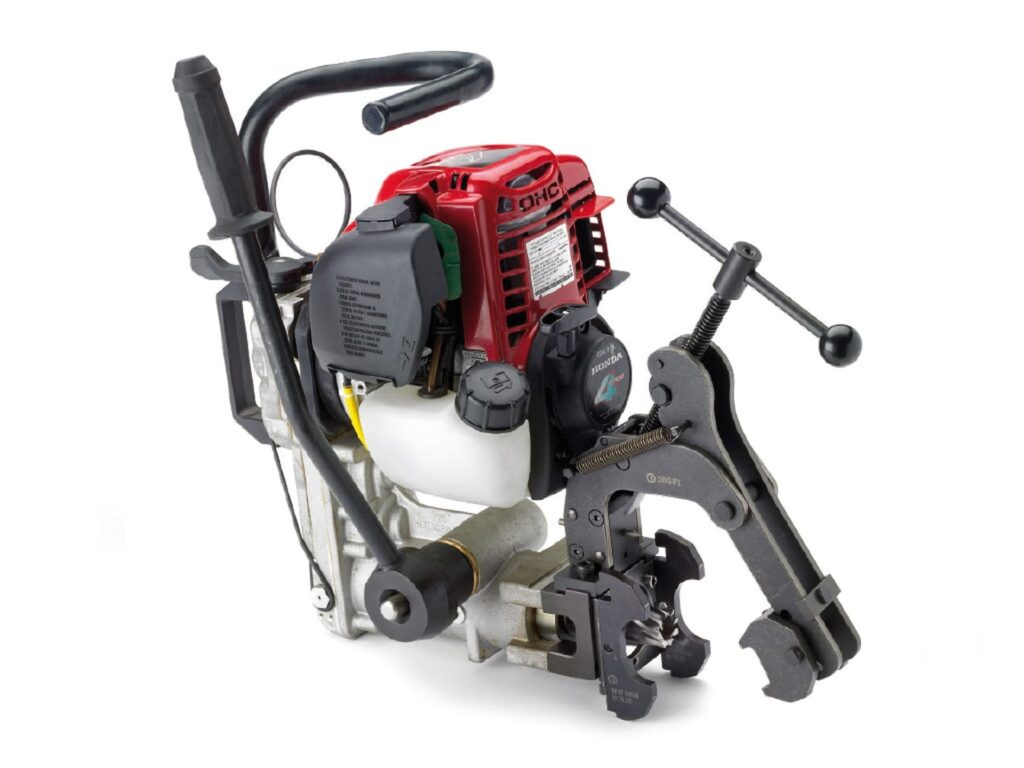
Petrol can remain a practical choice where charging access is limited and the crew already has suitable fuel-handling arrangements.
An existing fleet also matters. If your team operates petrol rail drills, purchasing a familiar machine may help maintain consistency in training, servicing and spare-parts planning. Confirm the compatibility of existing cutters and accessories before assuming they can transfer between machines.
The Cembre LD-42P Petrol Rail Drill remains an option for customers who specifically want this model. Cembre has discontinued production, and Engineering Supplies holds limited remaining new stock. We also provide spare parts, consumables and ongoing support for existing machines.
View the Cembre LD-42P Petrol Rail Drill and enquire about current availability.
Plan for the whole shift
When comparing battery vs petrol rail drills, consider the number of completed holes your crew needs during the available working window.
For battery equipment, check:
Required hole diameters and approximate holes per shift.
The battery configuration supplied with the machine.
How many charged spare batteries you will need.
Where and when batteries can be recharged.
Cembre publishes a reference figure of 40 holes at 19 mm diameter per charge for the LD-16B-RP range. Actual output depends on conditions including rail material, cutter condition, operator technique and battery condition. Use that figure as a starting point for planning your application. Cembre performance information.
For petrol equipment, consider fuel consumption, refuelling arrangements and access to fuel throughout the job.
Both options need preparation. A charged battery plan and a fuel plan should each support the expected workload.
Confirm drilling
capacity before
comparing power
sources
Start with the holes you need to produce.
Confirm the rail profile, rail grade, hole diameter, rail-web thickness and required hole positions. Then check the machine, cutter and positioning equipment against those requirements.
A battery drill that suits one application may not suit another. The same applies to petrol machines. Avoid assuming that every model has the same capacity or accepts the same accessories.
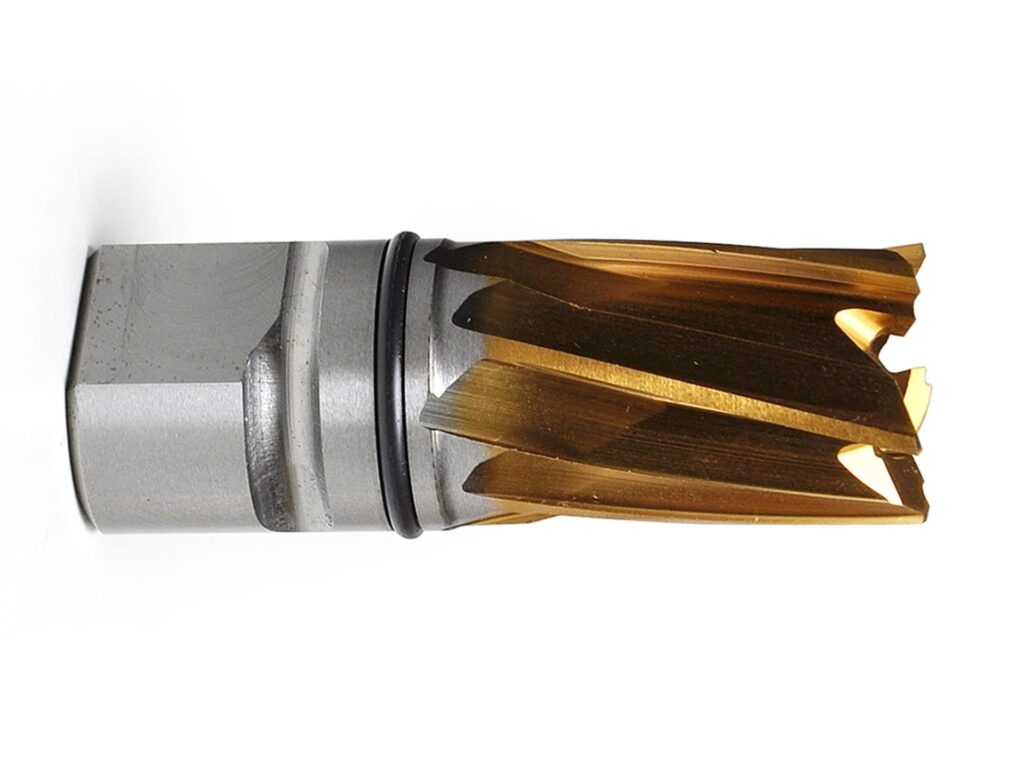
Engineering Supplies can help you select suitable Cembre CY broach cutters, drill bits, coolant pins and rail-drilling accessories.
For handling and transport, compare the complete operating setup, including the clamp and battery or fuel. Bare-machine weight alone does not describe what your crew will carry.
Compare maintenance and ownership costs
The purchase price is one part of the decision.
For battery equipment, include the cost of the required batteries and charger, battery replacement over time and routine machine servicing. Battery power removes petrol-engine servicing tasks, but the drilling mechanism, clamping equipment and coolant system still need attention.
For petrol equipment, include fuel, engine servicing and maintenance of the drilling machine.
For either option, also consider:
Cutters and other consumables.
Spare-parts availability.
Servicing turnaround.
Operator training.
The cost of equipment downtime.
Ask for a quotation covering the complete working package. Comparing a bare machine with a kit containing batteries, clamps and accessories can give a misleading picture of the overall cost.
Which Cembre rail drill should you choose?
For a new purchase, we recommend assessing the Cembre LD-16B-RPT Battery Rail Drill first when its drilling capacity suits your work and you can support the shift with an appropriate battery plan. Its brushless motor, electronic drilling assistance and absence of engine exhaust make it a strong option for crews moving to battery-powered equipment.
The LD-42P Petrol Rail Drill may still suit customers who want to maintain an existing petrol fleet or have operating arrangements that favour petrol. New machines are available from our remaining stock, subject to availability.
The most useful comparison is between complete setups that meet the same job requirements.
Get advice and a quote for your rail-drilling requirements
Engineering Supplies supplies Cembre railway equipment nationally and can assist with machine selection, cutters, accessories, spare parts and technical support.
To help us recommend a suitable setup, send your:
Rail profile and required hole sizes.
Expected drilling workload.
Existing equipment and accessories.
Delivery location and required-on-site date.
Request a quote for the Cembre LD-16B-RPT Battery Rail Drill.
For petrol equipment, check Cembre LD-42P availability.
Call (08) 9258 8444 or email sales@engsup.com.au to discuss your requirements.